







New to the outdoors? This guide for beginning campers will help you avoid bugs, bears and soggy tents so you can focus on making great memories.
Though I don’t recall much from the one and only time my family went camping when I was a kid, I remember clear as day my first camping trip as an adult. It was terrible.
I should have known from the start it would be a disaster. Problem No. 1: I assumed my friend’s tent would be large enough to fit me too. But while her small tent was suitable for her petite frame, at 5 foot 8, I had to keep the front flap cracked all night to stick my feet out. This meant mosquitoes could get in our tent. We both woke up—from what little sleep we got—covered in bites. And things only got worse from there.
Fast forward 10 years, and I’m now a self-described camping enthusiast. Because I learned many lessons the hard way, I’m eager to share my tips for camping for beginners to encourage and support newbies. And there are a lot of you! According to The Dyrt’s 2023 Camping report, 7.2 million people went camping for the first time in 2022.
From where to camp and what to pack to what to wear and how to prepare for emergencies, here’s everything you need to know to plan a fun and safe camping trip as a beginner.
Types of camping
For some, the only acceptable way to enjoy the outdoors is luxury camping in a big tent with a comfy bed. For others, such an experience hardly qualifies as camping, and they prefer little more than a simple tent and a backpack full of supplies.
To help you sort out which one is right for you, here’s a glossary of the most popular camping styles.
Tent camping
Tent camping is the most popular form of camping for a few reasons. For starters, it tends to be the cheapest and most flexible option, since you can typically pack up and go (once you’ve invested in the necessary equipment). Tents range from a simple one-person style that can be set up and broken down in minutes to a spacious setup that can accommodate an entire family. The downside of tent camping is that it can be unpleasant during cold and wet weather, you might not have ready access to a bathroom and you need to book peak-season reservations at popular campsites, especially at national parks, weeks to months in advance.
Glamping
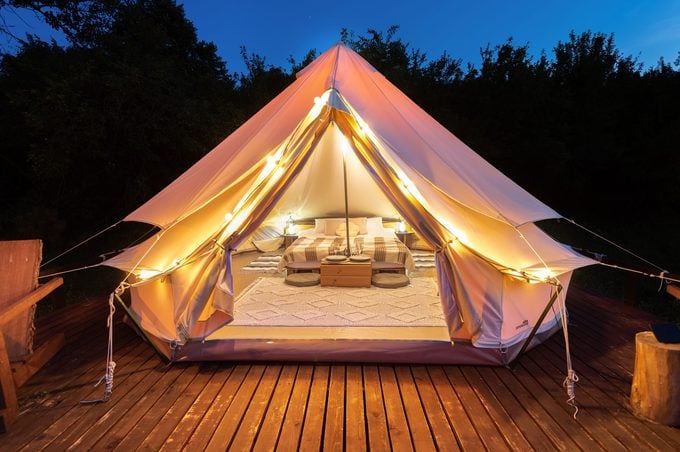
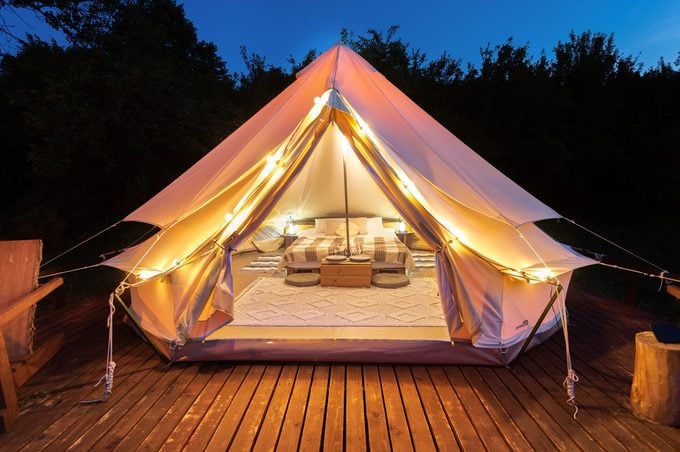
“Glamorous camping,” better known as glamping, is comfortable camping under a canvas tent, teepee, yurt, dome or other unique structure. Beds, linens and pillows are typically provided, and many glampsites also include on-site bathrooms, kitchens and firepits. Glamping is a good way to introduce hesitant campers to the idea of sleeping under the stars, or for seasoned summer campers to experiment with winter camping, which tends to be more challenging. Since everything is included and set up in advance, glamping may not give a true camping experience—though that’s a plus for some! One con: Some glampsites cost as much as or more than a night at a hotel.
Car camping
Car camping involves loading your car or van with supplies and showing up at your camp spot. While you could set up a tent next to your car, if your car is large enough, you could sleep in it (just be sure to first check local laws). Car camping is a fairly easy form of camping that doesn’t require too much advance planning, and you don’t need to lug all your essentials in a backpack. However, because you’re sticking close to your car, you may also be stuck next to loud campers who also have the same plan.
Backcountry camping
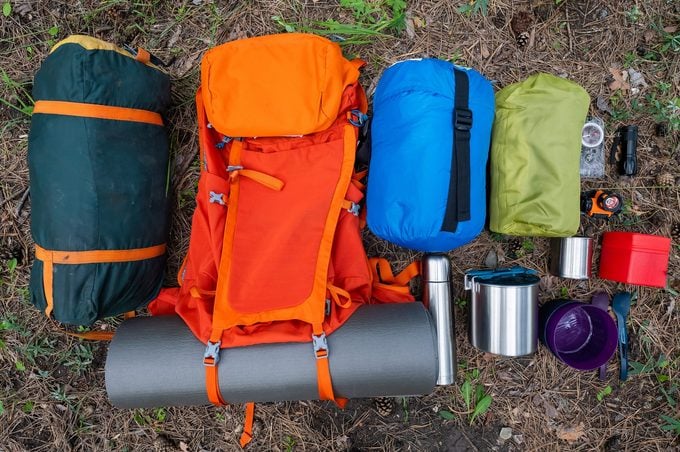
Want to avoid crowds and really get away from it all? Hike out to the backcountry, where there are no vehicles or paved roads. Backcountry or wilderness camping offers silence, tranquility and unrestricted access to nature that is impossible to find at crowded campsites. For a successful trip, you’ll have to choose your route and determine in advance where you can camp and what to pack. Your packing list should include food, first aid equipment, a tent, camp cookware, food and other supplies, all of which must be carried in—and out—on your back. It probably goes without saying, but backcountry camping should be left to experienced campers.
RV camping
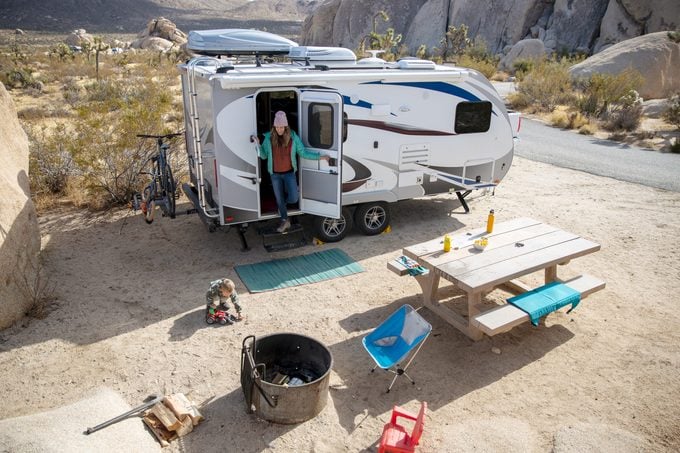
RV camping offers the convenience of having ready access to a bed, kitchen and toilet and is an easy way to take an extended road trip. However, it also tends to be the most expensive option. Whether you’re purchasing or renting an RV, you’ll also need to factor in the cost of fuel required to power a large RV. Plus, there are the additional challenges of driving and parking such a large vehicle. While many RV parks offer water and electricity hookups, you can also take your RV dry-camping or boondocking, which means camping outside of a traditional RV park without access to those basics.
Choosing a campsite
For beginning campers, sticking close to home at a popular campsite with more facilities, such as bathrooms, grills and trash disposal, is your best bet. Chances are you’ll feel most comfortable setting up your tent near other campers and at a location with an on-site director. Speaking of which, if you stay at a campground with an information center or reservation office, book a campsite near the main building for added security—and hands-on advice.
If you’re game to “rough it” and prefer the sound of birds, squirrels and other wildlife to people, research campsites off the beaten path, such as free camping sites in wilderness areas or on National Forest land. Should you go the remote route, just be sure you pack everything you’ll need to be off the grid.
Pitching your tent
Once you’re at your campsite, you’ll still need to find the best place to pitch your tent. Seek out a level spot so you won’t have to sleep off-kilter. Look up and around the area too—you don’t want to pitch your tent under a tree with dead branches that could fall or near large rocks that look like they could topple, advises Louis Juers, the family campout program specialist with Arizona State Parks and Trails. He also suggests clearing the area of sticks, rocks and other debris that could damage the bottom of your tent. This includes small rocks that “could become very uncomfortable at 2 a.m.,” he adds.
Before you set up your tent, lay a tarp down over your intended foundation. This provides a layer of padding between any rocks you missed, the cold hard ground and your tent. It will also help prevent any water from accumulating in your tent should it rain during your trip.
Camping essentials